
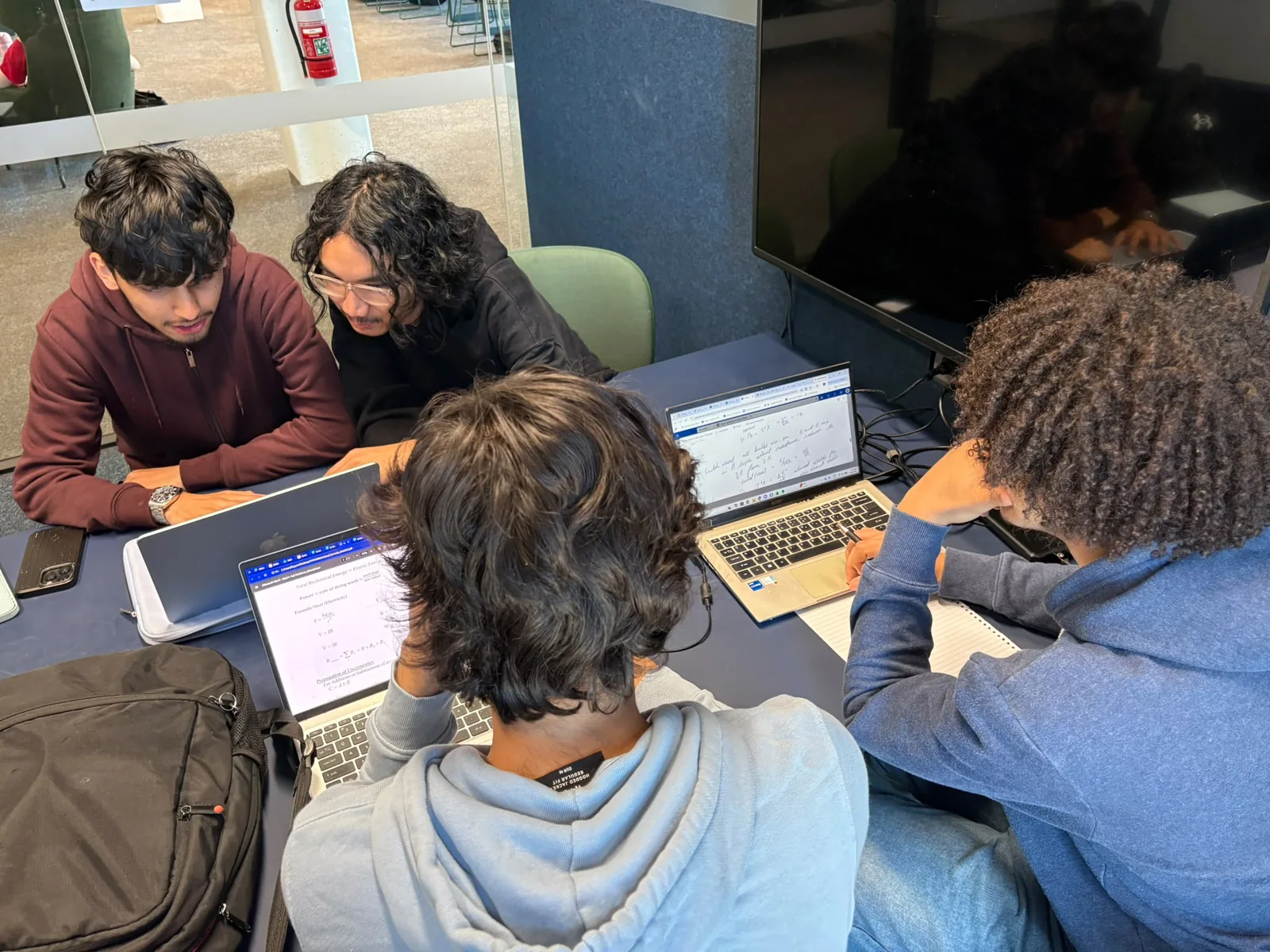
When a child is already tired, “do more revision” can feel like another problem to solve. A useful routine starts smaller: one clear goal, a manageable attempt and a plan to come back to it.
1. Choose a task you can actually finish
“Study chemistry” is a subject, not a next step. “Explain this reaction, then try two related questions” is a task. The same idea works for younger students: choose one skill or one part of an assignment rather than the whole week’s work.
Let your child help choose the starting point. The aim is a routine they can gradually manage for themselves, with your support.
2. Try before looking
Ask them to recall the idea or attempt a question before reopening the notes. Then compare their answer with the explanation or worked example. A mistake is useful information about what to revisit.
AERO’s guidance on retrieval and spacing supports recalling learning and returning to it over separate occasions. Reading something repeatedly can feel familiar without showing whether it can be used independently.
3. Write down a specific question
“I don’t get it” is an understandable feeling. Help turn it into something a tutor can act on: “I can start the calculation, but I don’t know which units to use,” or “I have an idea for my paragraph but I can’t connect it to the evidence.”
At Aventus, weekly homework gives students another opportunity to practise between lessons. Their attempts can help the tutor decide what needs more explanation in class.
4. Return to it later
A brief revisit on another day can make the practice more purposeful. The exact schedule should fit the child, the school workload and the task. There is no need to turn every evening into a long revision session.
Try a simple weekly rhythm: identify one priority, attempt a small amount of work, note a question, then return to the idea later. Keep the plan visible and realistic.
5. Be a supporter, not another examiner
“Show me how you started” can open a better conversation than “Why haven’t you finished?” Ask what helped, what felt difficult and what the next step could be. If the same issue keeps returning, share that pattern with the teacher or tutor.
Some challenges need more than a study routine. A conversation with the school can help families identify the right support. Tutoring should work alongside that picture, not claim to solve every difficulty.
Our free diagnostic and first week can help identify the work that needs attention.
Book Your 1-Week FREE Trial